What makes Wilpattu different
Wilpattu is the largest national park in Sri Lanka, spread across the north-west of the island. Its name comes from the villus — natural, sand-rimmed basins that fill with rainwater and draw animals into the open. That landscape is the whole character of the place: dense scrub jungle opening suddenly onto still water.
The comparison people make is with Yala, in the south. Yala has more vehicles and, on a busy morning, more jeeps than animals. Wilpattu is larger, far less crowded, and feels closer to actual wilderness. Sightings take more patience here, and they are better for it.
The leopards
The Sri Lankan leopard is a subspecies found nowhere else, and Wilpattu holds one of its strongest populations. They are most often seen in the early morning and late afternoon, frequently on or beside the sand tracks, occasionally draped along a low branch.
Nothing is guaranteed — this is wild country and a sighting is luck layered on top of a good tracker. What improves the odds is being in the park at first light, staying out through the quiet middle hours when most vehicles leave, and having a driver who knows where the cats have been moving that week.
What else you will see
Sloth bears, which are genuinely rare and a highlight when they appear, particularly in June and July when the palu fruit ripens. Asian elephants, spotted deer, sambar, wild buffalo, mongoose, crocodiles at the villus.
The birdlife is exceptional and often undersold — painted storks, serpent eagles, bee-eaters, peacocks everywhere, and a long list of migrants through the northern winter. Worth bringing binoculars even if you came for the cats.
When to go
Broadly, the drier months from February through to around October are the reliable window, and this is when most visitors come. Water sources shrink, animals concentrate around the remaining villus, and sightings get easier.
The north-east monsoon brings heavy rain roughly from October into January, and parts of the park can become difficult or close entirely. February to July is the sweet spot if you are prioritising leopards, with June and July adding the best chance of sloth bears.
Conditions shift year to year, so confirm before you commit to dates — we keep an eye on it and will tell you honestly if you have picked a poor week.
How a safari day runs
Two drives, morning and afternoon. The morning drive is the one that matters: gates open around first light, and being among the first vehicles in changes what you see. That means leaving the villa in the dark, which is less painful than it sounds when the alternative is missing the best two hours of the day.
A drive runs roughly three to four hours. Full-day options exist and are worth considering if you are serious about leopards, since the quiet midday stretch empties the park of other vehicles.
You will need a jeep with a driver-tracker, and park entry is paid at the gate. We arrange the jeep and the driver for guests, and can sort the paperwork so you are not queuing at dawn.
What to bring
Neutral colours, a hat, and something warm for the first hour — open jeeps at dawn are colder than people expect. Binoculars. A camera with more zoom than you think you need; leopards are rarely close.
Sunscreen and water for the middle of the day. And patience, which is the actual equipment.
Getting there
The park sits in North Western Province, with the Eluwankulama approach on its western side. From Colombo it is roughly four hours by road, north along the coast through Puttalam.
Most people break the journey or stay near the gate rather than driving out and back in a day — the dawn start makes proximity to the entrance worth a great deal.
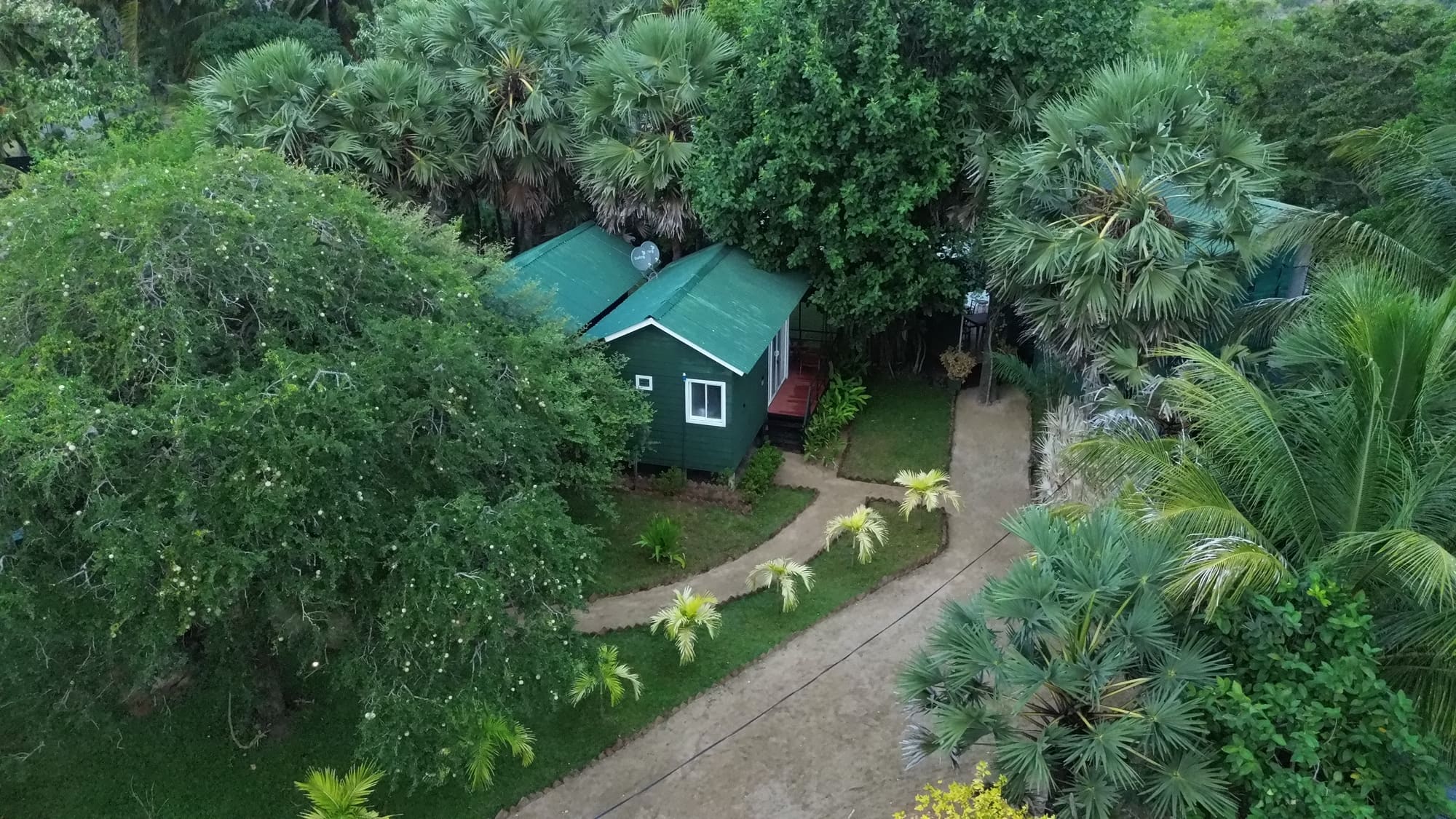
We run the Wilpattu villa a short drive from all of this. See the villa →
Check availability